
Late ADHD Awareness in Midlife: Hearing Myself Described Out Loud
Before the Talk
Earlier this month, I went to a networking event feeling more drained than enthusiastic. It had already been a full few days, with my first brand photo shoot, which had been rescheduled, my final session with my therapist of ten years, and the kind of emotional processing that lingers in the background. The last thing I felt ready for was small talk and “doing the networking thing”. But I didn’t want to miss the guest speaker. Dr Emma Rigby was talking about ADHD and, having come to recognise it in myself last year, I knew I needed to be in the room.
Over the past year I’ve been piecing things together and beginning to recognise ADHD traits in myself. I wrote about some of those early thoughts in an earlier blog reflection on recognising ADHD in myself.
The Moment of Recognition
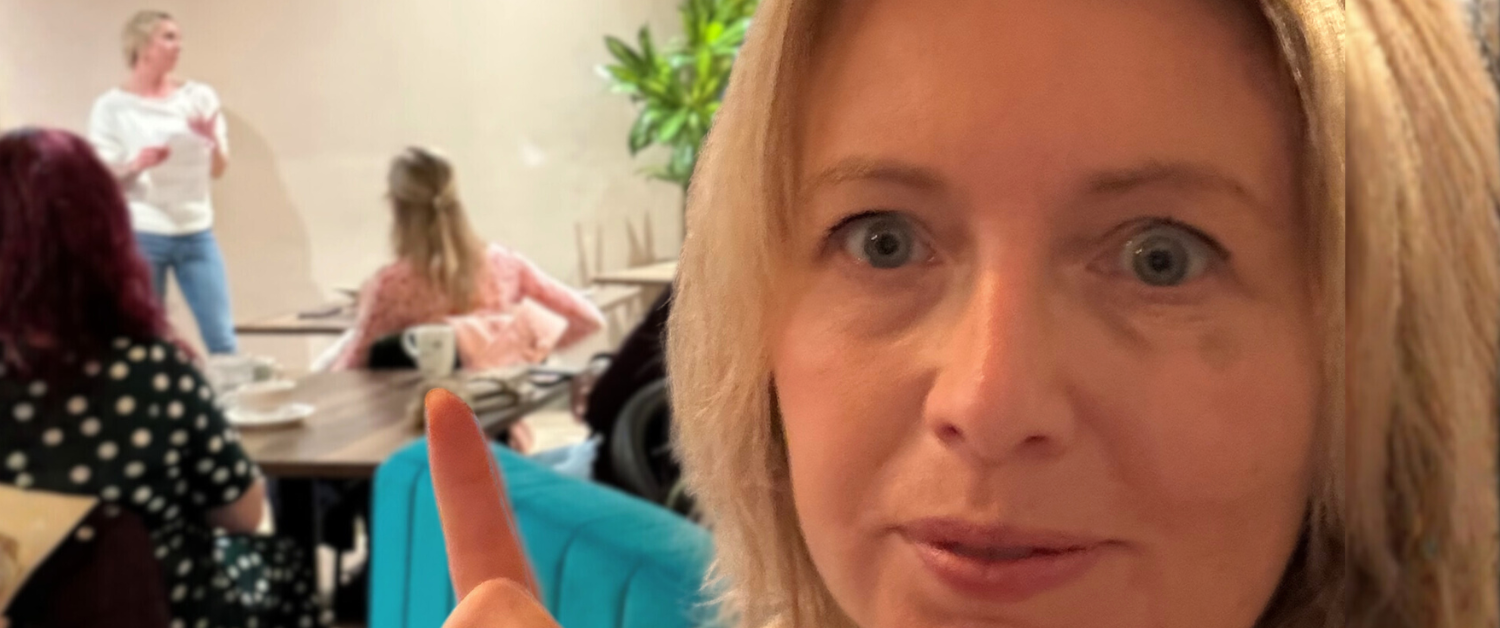
As Dr Emma began to speak, I felt that quiet, almost uncomfortable sensation of recognition. I had been piecing things together for some time now, but hearing it described so clearly by someone else was something different. When she said, “I was never quite struggling enough”, I felt my chest tighten. That was it. The grey space between coping and collapsing. The reality of not being in crisis, yet never feeling like I was doing it well enough. The way hormones can intensify these traits and make everything feel harder to manage in midlife. She spoke about practical shifts that were solving problems I wrestle with daily. It was deeply validating. I could feel my thinking shift in real time, with a warm, almost electric sense of recognition that told me something important had just clicked.
Seeing My Past More Clearly
Sitting there, I began to see my past with more clarity. The years of pushing through exhaustion. The familiar cycle of burnout. The way I have often struggled to start things, even when I care deeply about them. I have spent a long time quietly questioning why I can show up consistently for others, even when the energy isn’t there or the joy has faded, and feel the depletion afterwards.
Hearing it described in the context of ADHD, and how hormones can heighten these traits, did not excuse anything, but it explained so much. It softened the harsh edges of self-criticism that have followed me for years. When Dr Emma spoke about having “stopped trying to work harder” and instead asking, “How do I do this better?”, I saw more clearly how often I default to effort rather than understanding. For such a long time I believed the answer was simply trying harder, a mindset I wrote about previously when reflecting on why January isn’t always the best time for new year’s resolutions.
Later, when Dr Emma spoke about cultivating self compassion, and how we are often far harsher internally than we would ever be to someone else, I knew she was describing me. I left with a clear intention to change how I speak to myself. It gave language to behaviours I had assumed were personal failings. And it made me think differently, not just about myself, but about how I support my daughter too.
A Small but Intentional Shift
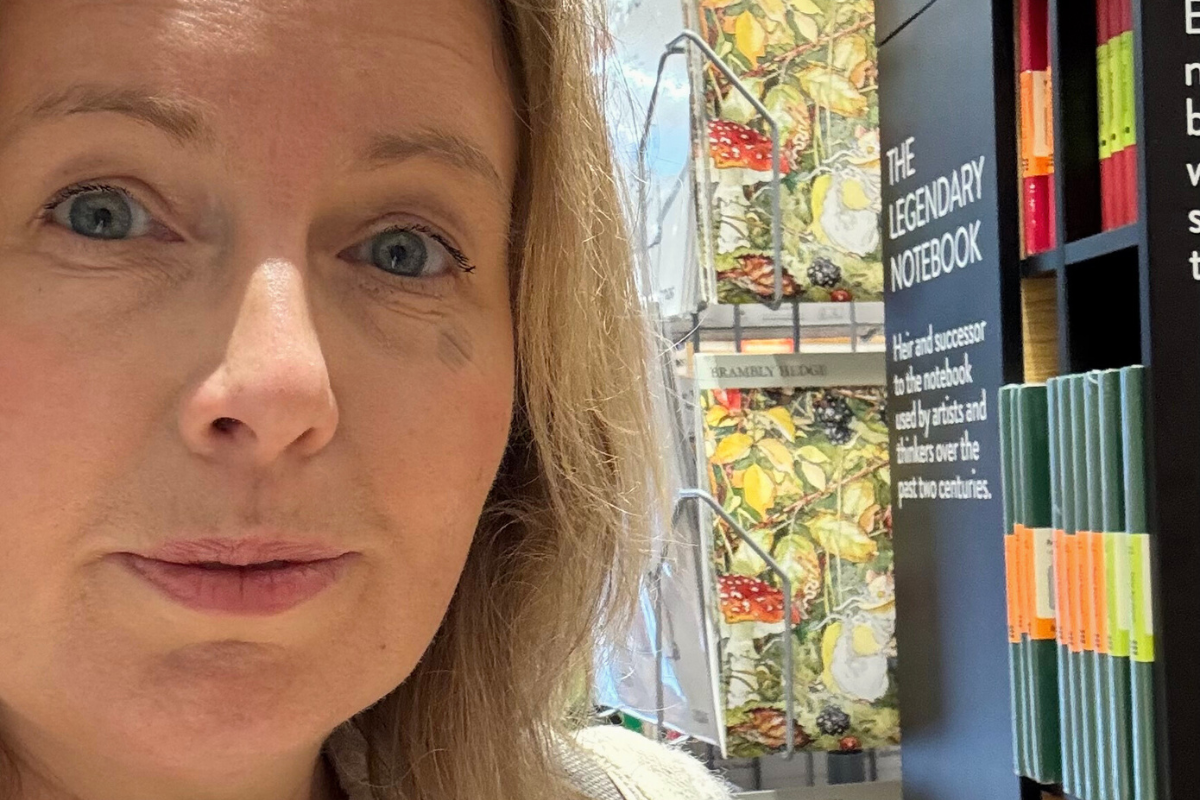
When the event ended, I didn’t rush home. I walked past a bookshop and remembered that I had added it to my recent dopamine list, an idea that had emerged in a Voxer coaching conversation with Emma Cossey. Instead of telling myself I didn’t have time, I went in. I wandered slowly, picked up books without purpose, and let myself feel curious again. That decision lifted something in me.
Up until that morning, my experience of the dopamine hunt had started to feel like dressing up mundane chores and calling them motivation. I had begun to doubt whether I was simply reframing tasks I felt I should be able to do anyway. After that conversation, it felt different. It wasn’t about productivity after all. It was about regulation, about understanding how I function, and about working with my brain rather than forcing it.
Context, Not a Label
Recognition does not change everything overnight. I am still the same woman with the same tendencies, the same energy fluctuations, the same long to‑do lists. But I know myself more clearly now.
Understanding the patterns that lead me to procrastinate or avoid tasks that feel boring or repetitive has changed how I approach them. It allows me to pause rather than push, to support rather than criticise, and to see regulation not as weakness but as wisdom. It gives me permission to seek tools that genuinely help me, rather than forcing myself into systems that were never designed for how my brain works. Late awareness does not feel like a label to carry. It feels like context. And in this season of midlife, that context is quietly powerful.
I find myself looking ahead with curiosity rather than urgency, open to continuing this exploration and deepening my understanding of the best version of myself. These small shifts have been showing up elsewhere too, particularly in how I want to structure my days.
Enjoyed reading this?
If you'd like more reflections like this, I'd love to welcome you to The Pause.
Once a month, I share thoughtful notes on midlife, walking, wellbeing, seasonal living and everyday life, alongside recent blog posts and what's coming next.
About Sarah
Sarah is the founder of Mindful & Me, a reflective wellbeing space for women in midlife. Through blogs, newsletters and community walks, she shares practical reflections on perimenopause, seasonal living, walking and slowing down in a busy world.