
Finding My Way Back to Myself Through Perimenopause
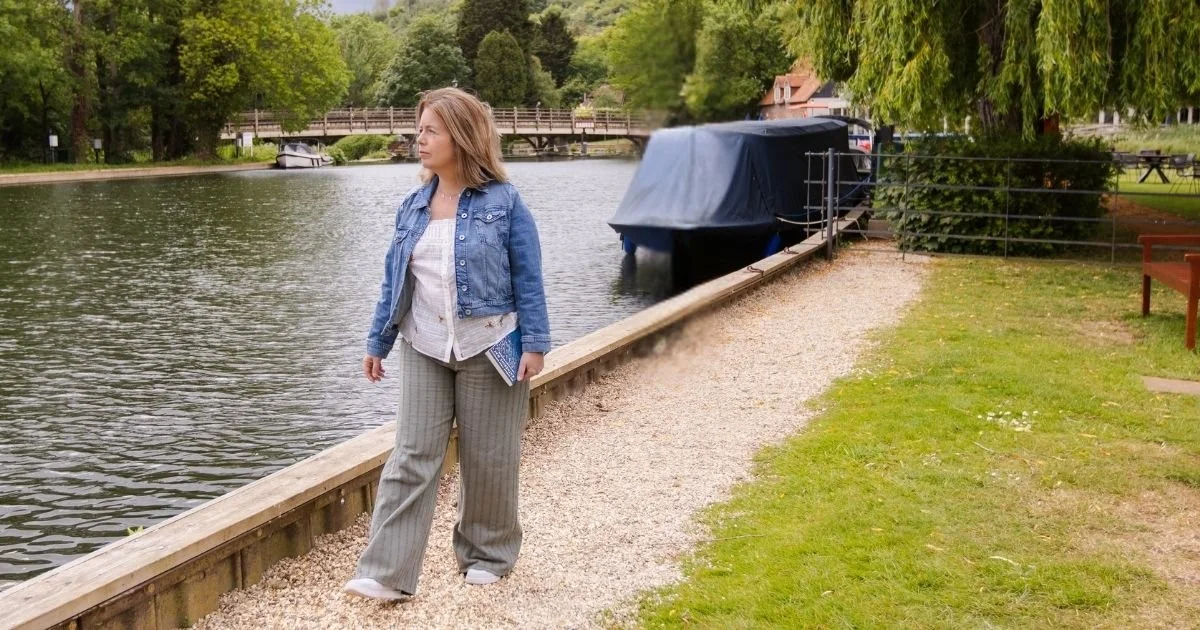
If you'd asked me at 40 what the symptoms of menopause were, I'd probably have said hot flushes and night sweats. That remained about the extent of my knowledge for much of my forties. Thankfully, awareness has grown enormously over the last few years. We're now talking much more openly about brain fog, anxiety, joint pain, itchy skin and the many other perimenopause symptoms that women can experience.
When I think about my own perimenopause journey, I don't think there has ever been a moment when I suddenly felt "fixed". Instead, gradually, almost without noticing, I started to feel more like myself again.
I started HRT at the age of 51. Alongside that, I also made changes to my lifestyle. I improved my diet, prioritised my wellbeing and eventually left my job to work for myself in search of a better balance.
Without fully realising it at the time, it was also the beginning of Mindful & Me.
I'd Forgotten What a Full Night's Sleep Felt Like
For a while, waking to go to the toilet three or four times a night had become completely normal. It was frustrating, exhausting and something I almost accepted as part of everyday life. After starting HRT, those nightly trips to the bathroom gradually became less frequent. Only then did I realise just how much they had been affecting the quality of my sleep.
As my sleep improved, I realised it wasn't just about sleeping through the night.
I was sleeping more deeply too.
Sometimes I think I've lost years to poor sleep. Between two periods of severe insomnia, those early years of motherhood and the sleep disruption that came with perimenopause, I'd forgotten what it felt like to wake up genuinely refreshed.
I Thought My Knees Were Just Getting Older
I'd simply assumed my knees had started to ache because I was getting older or becoming less fit. It never crossed my mind that hormones might be playing a part.
Like so many women, I knew very little about perimenopause in my forties. Thankfully, awareness has grown enormously in recent years. Thanks to people like Dr Louise Newson, Dr Naomi Potter and Davina McCall, more women are beginning to recognise symptoms they might once have dismissed and conversations about perimenopause are finally becoming more mainstream.
Back to my knees.
One day, as I was walking upstairs, I realised I hadn't been thinking about them anymore. That's when it dawned on me that HRT had made a significant difference. The pain hadn't disappeared overnight. It had simply slipped away until one day I realised it was gone.
Bloating Wasn't Just My Diet
Perimenopause bloating had slowly become something I dreaded. By the end of the day, my clothes often felt tight and uncomfortable and I found myself avoiding anything with a waistband. Dresses became my outfit of choice because they were simply more comfortable.
Some days I felt as though I'd gone from my normal shape to looking several months pregnant in the space of a few hours. It wasn't just physically uncomfortable, it knocked my confidence too. I felt awkward, frustrated and if I'm honest, quite low.
I blamed my diet. I thought I was working too hard, feeling too stressed and making poor food choices because life was so busy. Looking back, those things probably all played a part. But I don't think they were the whole story.
As my hormones became more settled, the bloating gradually became less frequent. There wasn't one moment when I noticed it had gone. I simply realised I wasn't ending every day feeling so uncomfortable anymore.
Interestingly, it's something I've started paying attention to again since changing from Evorel Sequi to Evorel Conti. I'm still figuring out whether the two are connected, but it's reminded me just how much our hormones can influence symptoms we might not immediately associate with perimenopause.
The Symptoms I Never Knew Were Symptoms
Pins and needles. Itchy skin. Neither of those had ever featured on my mental list of perimenopause symptoms. Looking back, they turned out to be some of the most unexpected symptoms I experienced. If someone had asked me at the time what hormones could affect, they certainly wouldn't have made my list.
The pins and needles started in my hands, usually at night. They would wake me from my sleep and, if I'm honest, they worried me. At the time, my knowledge of perimenopause was almost non-existent and I was becoming increasingly alarmed by the growing list of physical changes I was experiencing. None of them seemed to fit together.
It all felt overwhelming.
My anxiety was already high and my mental health had deteriorated to the point where that became my priority. The pins and needles slipped down the list because I had much bigger worries. At the time, I had no idea they could all be connected. It felt as though I was trying to solve a puzzle without knowing what the picture was supposed to look like.
Then there was the itching.
Mine was mostly on my scalp, face and the back of my neck, usually at night. Sometimes it genuinely felt as though spiders were crawling over my skin. I'd brush at imaginary cobwebs, wonder if there were insects in the bed and even found myself googling bed bugs. At the time, I was simply trying to make sense of something I couldn't explain.
It was only much later, through learning more about perimenopause, that I discovered there was even a name for it: formication.
Now, knowing that other women experience these symptoms too has been incredibly reassuring. And perhaps that's the biggest change of all. Not just that the symptoms rarely happen anymore, but that I finally understand what they were.
Feeling More Emotionally Resilient
Life hasn't suddenly become stress-free. I still have difficult days. But I feel much more able to cope with them.
A couple of years ago, even small setbacks could feel enormous. I'd find myself ruminating over things for days, allowing them to affect my mood, my sleep and my overall wellbeing far more than they probably should have.
What surprises me most, though, is how much confidence I lost. Looking back, that was probably one of the hardest parts of perimenopause for me. By my forties I'd already navigated plenty of life's challenges and yet suddenly I found myself doubting myself in ways I never had before. I didn't feel like the woman I'd spent years becoming.
My husband often says I became much angrier during that time. I swore more, had less patience and felt constantly on edge. Now, I can see that a different version of me had quietly crept into our lives. I really didn't feel like myself.
These days I still have moments where life feels difficult, but they're less likely to define my whole day. Sometimes I even catch myself thinking, “A year ago this would have affected me so much more.”
I've also become much more protective of my own energy. I've become better at saying no, worrying less about pleasing everyone and thinking more carefully about who I spend my time with. I've learnt that spending time alone isn't the same as being lonely and that looking after myself isn't something I need to feel guilty about.
Enjoying Life Again
Last month, I stood in Wembley Stadium with my daughter watching Harry Styles. It's a memory I'll treasure forever.
A couple of years ago, I don't think I'd have gone. Anxiety would almost certainly have talked me out of it long before the day itself. I'd have worried about the travel, the crowds and a hundred other things that simply never crossed my mind this time.
Instead, I found myself looking forward to it. When the day arrived, I was able to enjoy the whole experience, from standing in Wembley Stadium with my daughter, singing along and taking it all in.
It wasn't the concert itself that felt significant. It was realising that anxiety no longer got to make the decisions.
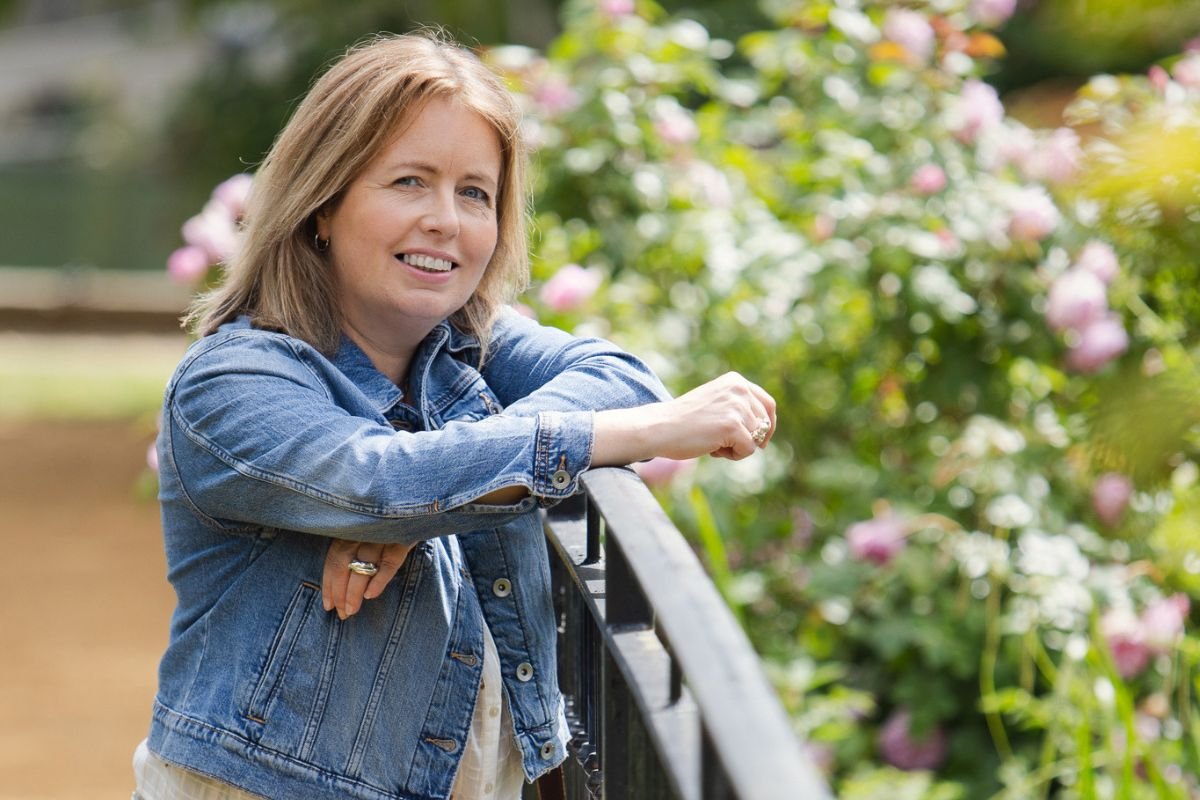
Finding My Way Back to Myself
When I think about everything that's changed over the last few years, I don't think HRT changed who I was. It became one important piece of the puzzle, alongside understanding perimenopause, making changes to my lifestyle and becoming kinder to myself.
I don't think I'll ever be the thirty-year-old version of me who still exists in my head. But I've gradually come to understand the changes happening to my body and to accept this fifty-four-year-old, perimenopausal woman I've become.
It's still me.
Just an older version.
When I take stock now, it's the small changes that stand out most. I don't think about one symptom disappearing. I think about sleeping through the night. Walking without aching knees. Feeling calmer. Enjoying a concert with my daughter. Understanding my body, instead of constantly questioning it.
Together, they helped me find my way back to myself.
Continue reading my HRT and perimenopause journey:
Enjoyed reading this?
If you'd like more reflections like this, I'd love to welcome you to The Pause, my monthly newsletter for women navigating midlife..
Once a month, I share thoughtful notes on midlife, walking, wellbeing, seasonal living and everyday life, alongside recent blog posts and a preview of what's coming next.
Browse all perimenopause blog posts →
About Sarah
Sarah is the founder of Mindful & Me, a reflective wellbeing space for women in midlife. Through blogs, newsletters and community walks, she shares practical reflections on perimenopause, seasonal living, walking and slowing down in a busy world.